

Business crime
Defending your reputation, your people and your interests with the utmost discretion and the rigour that criminal exposure demands.
Criminal investigations touching corporate life have taken on a new dimension. Our lawyers advise companies, directors and employees with experience, composure and absolute confidentiality.
Our approach
We work closely with your management, your governance bodies and your communications advisers. Our work brings together defence before the courts, communications strategy and support for the individuals concerned — three inseparable dimensions.
Areas of practice
- Criminal defence of directors and companies
- Internal investigations and criminal compliance
- Bribery, fraud, misuse of corporate assets, money laundering
- Negotiated resolutions: CJIP, CRPC
- Cooperation with foreign authorities (DOJ, SFO, AFA, PNF)
Why Andersen Société d'Avocats
Our rigour and our immediate coordination with correspondents abroad tell in matters where the speed and the quality of the response count for as much as the substance.
Need a specialist in this area?
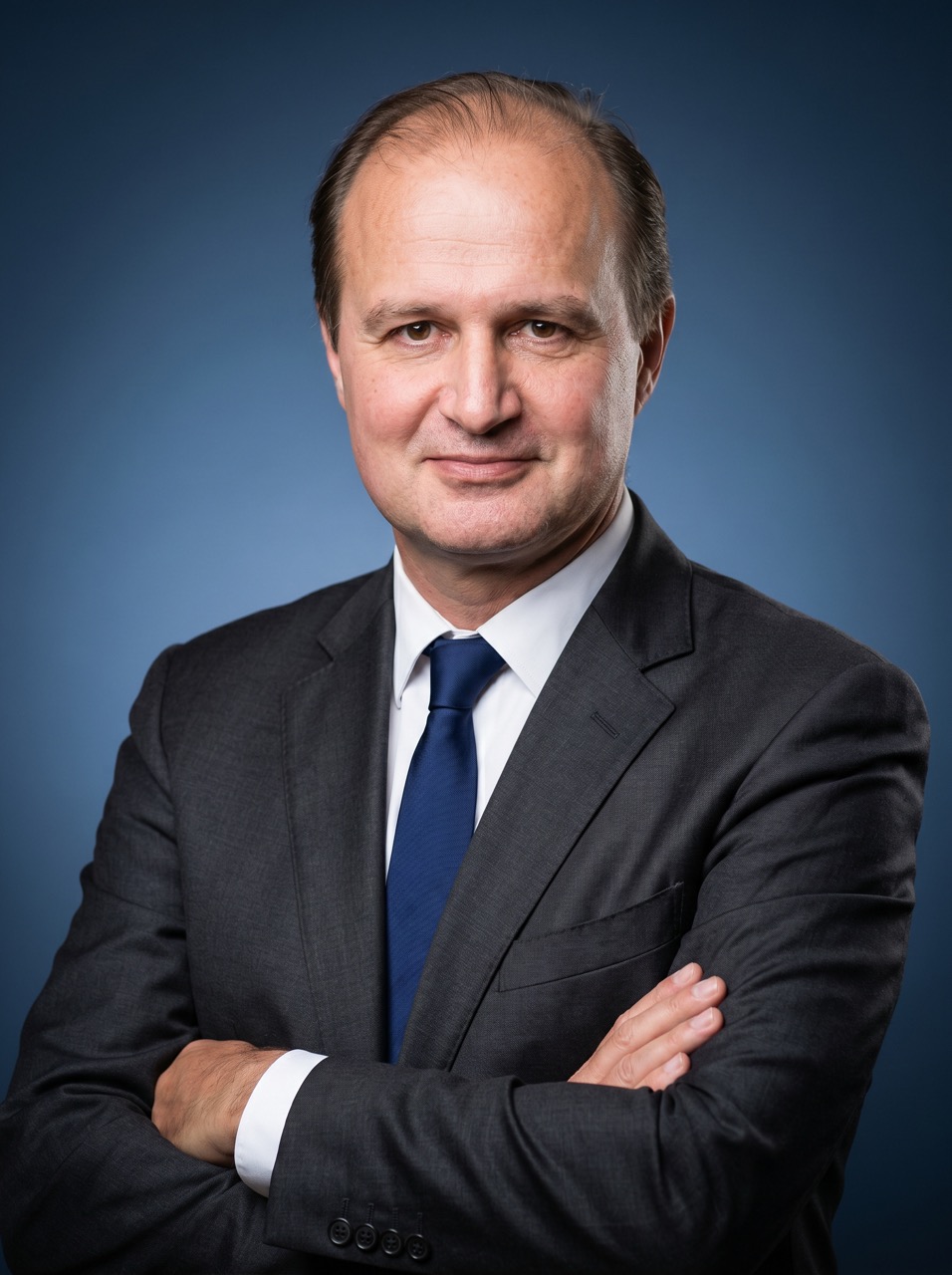
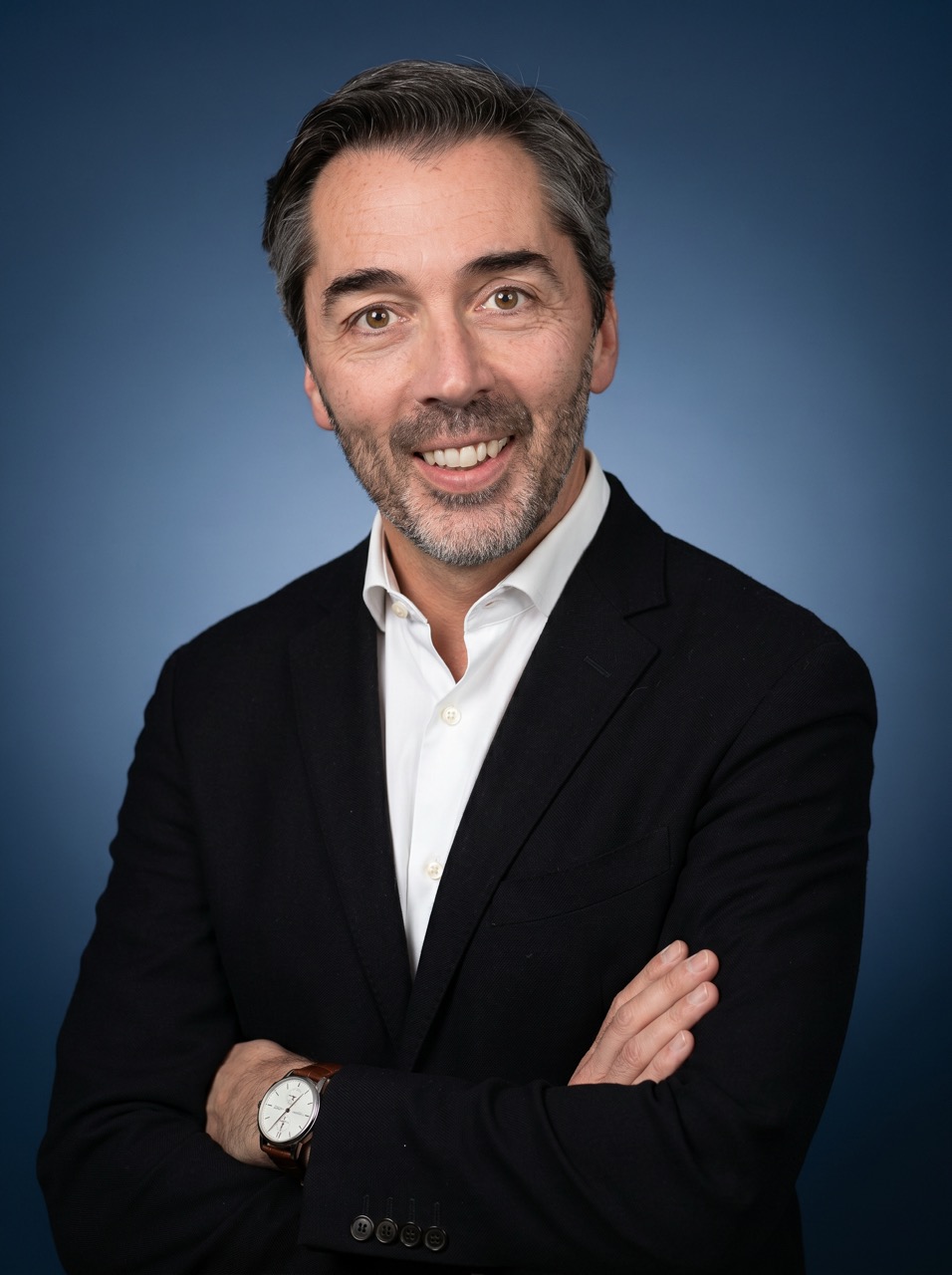
Meet the lawyers who practise in this area.
Latest news in this practice area

28 July 2026
Should shares in property-rich companies held by Luxembourg residents fall within the French real estate wealth tax (IFI)?
In a ruling of 2 April 2025, the Cour de cassation held that shares in French property-rich companies were subject to the former wealth tax (ISF) in the hands of Luxembourg residents. Is that solution transposable to the IFI under the 2018 France–Luxembourg tax treaty? Benoît Dambre, partner, examines its uncertain scope.
4 June 2026
Benoît Dambre named in Best Lawyers 2026 — Tax Law
Andersen Société d'Avocats is pleased to announce that Benoît Dambre, partner in tax law, has been recognised in the new edition of Best Lawyers 2026 in the Tax Law category.

15 March 2026
Andersen Société d'Avocats recognised in Chambers Europe 2026 — Tax
Andersen Société d'Avocats features in the new edition of Chambers Europe 2026 in the Tax category. Benoît Dambre and François Morazin are each recognised individually.